
The Science of Male Longevity: What Research Actually Says
Decades of research across molecular biology, epidemiology and clinical medicine are converging on a clear picture: aging in men is not simply inevitable decline — it is a process that can be measurably influenced. Our editorial team breaks down the most compelling evidence from leading longevity laboratories worldwide.

Latest Longevity Insights
Evidence-based articles curated by our editorial team, drawing on peer-reviewed research and expert analysis in men's longevity science.
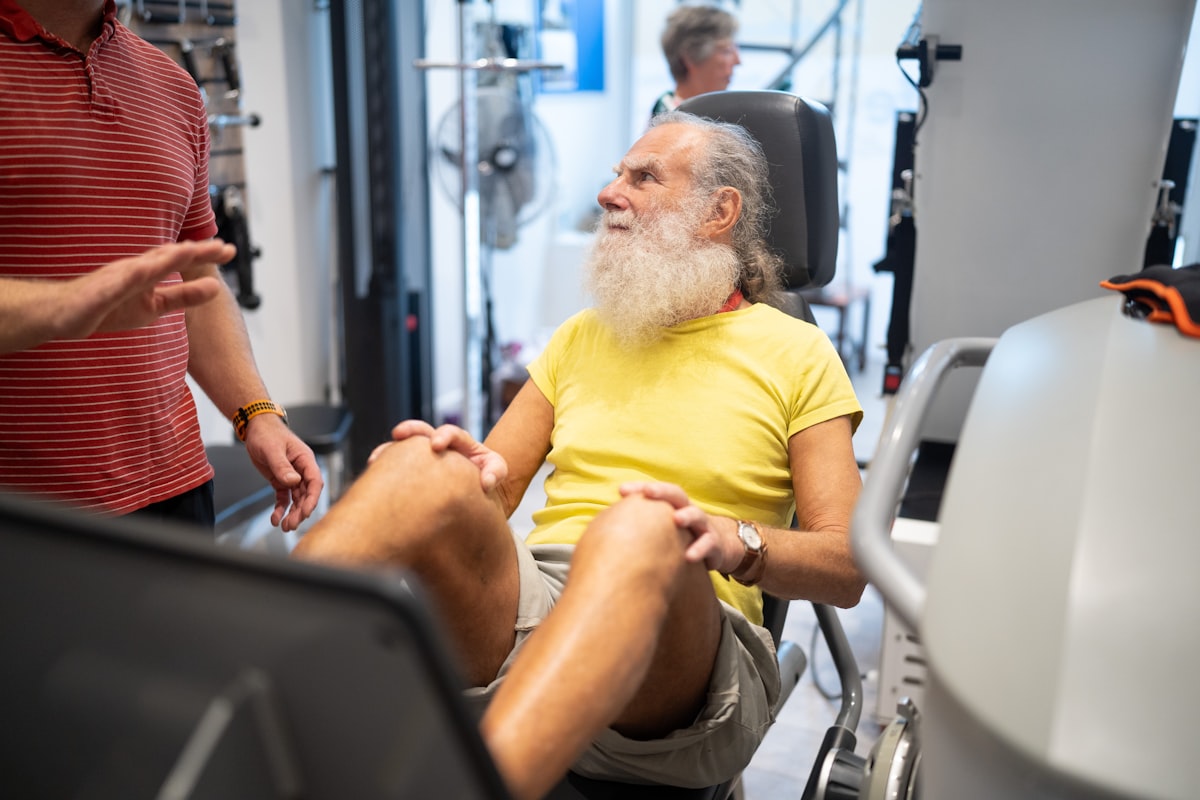
Telomere Length as a Longevity Marker: What Men Should Know
Telomeres — the protective caps at the ends of chromosomes — shorten with every cell division. Recent studies in Jakarta and Singapore cohorts suggest men with longer telomeres in midlife show markedly reduced incidence of cardiometabolic disease. Understanding what accelerates telomere attrition is a key frontier in men's preventive medicine.
Read more
Intermittent Fasting and Autophagy: A Practical Guide for Men Over 40
Caloric restriction without malnutrition has consistently extended lifespan in model organisms. In human males, time-restricted eating windows appear to upregulate autophagy — the body's cellular self-cleaning process — with meaningful implications for reducing oxidative damage and preserving lean muscle mass into later decades.
Read more
Why Zone 2 Cardio May Be the Single Most Important Investment in Your Health Span
Low-intensity, sustained aerobic training at roughly 60–70% of maximum heart rate — commonly referred to as Zone 2 — has emerged from endurance science as a powerful driver of mitochondrial density and metabolic flexibility. For men navigating busy professional lives in Indonesia's urban centres, it offers an accessible path to measurable physiological improvement.
Read more
The Testosterone–Sleep Connection: How Poor Rest Accelerates Hormonal Aging in Men
The majority of daily testosterone secretion occurs during deep sleep cycles. Research demonstrates that even five consecutive nights of sub-optimal sleep — a common reality for working men — can produce measurable declines in free testosterone. This article examines the hormonal cascade triggered by sleep fragmentation and evidence-based strategies to restore quality rest.
Read more
Cortisol Chronicity: How Unmanaged Stress Silently Erodes Male Longevity
Chronic psychological stress activates the hypothalamic–pituitary–adrenal axis in ways that are directly antithetical to longevity: suppressed immunity, accelerated visceral fat accumulation, elevated inflammatory markers and disrupted sleep architecture. Our analysis of the current literature reveals actionable, science-supported practices for down-regulating the stress response without pharmacological intervention.
Read more
The Essential Biomarker Panel Every Man Should Track Annually
Standard medical check-ups often miss the nuanced metabolic, hormonal and inflammatory markers that most powerfully predict healthspan trajectory. From fasting insulin and HOMA-IR to hs-CRP, homocysteine, DHEA-S and IGF-1, this editorial explains which values matter, what the optimal ranges look like for men prioritising longevity, and how to discuss them effectively with a physician.
Read more
Sarcopenia Is Not Inevitable: Resistance Training Protocols That Preserve Muscle Into Old Age
Men begin losing measurable muscle mass from the fourth decade onwards — a process accelerated by sedentary behaviour and inadequate protein intake. Sarcopenia is now recognised as one of the strongest independent predictors of all-cause mortality in older men. This article outlines the evidence-based resistance training frameworks that effectively counteract age-related muscle decline, relevant for men across Indonesia's diverse climate and lifestyle contexts.
Read more
The Gut–Longevity Axis: How Your Microbiome Shapes How You Age
Emerging metagenomics research reveals that the composition of gut bacteria in men is a surprisingly powerful predictor of inflammatory status, cognitive function and immune resilience in later life. Traditional Indonesian fermented foods — from tempeh to various regional probiotic staples — may offer locally relevant advantages, though the clinical picture is still being refined by ongoing research.
Read more
NAD+ Decline and the Energy Crisis of Male Aging: Separating Hype from Peer-Reviewed Evidence
Nicotinamide adenine dinucleotide (NAD+) plays a central role in mitochondrial energy production and DNA repair — and its levels fall substantially as men age. The scientific community has moved beyond early excitement to a more measured appraisal: the editorial team reviews the strongest human trial data, examines which NAD+ precursors show genuine promise, and highlights what remains genuinely uncertain.
Read moreOur Editorial Commitment
Every insight published on Agingdefybioscience adheres to these core editorial principles.
Evidence-First Approach
Every claim in our articles is traced to peer-reviewed sources. We distinguish clearly between established science, promising preliminary research and speculative hypothesis so readers can assess the strength of evidence for themselves.
Male-Specific Focus
Longevity biology differs meaningfully between sexes. Our editorial board curates research specific to male physiology, hormonal profiles and risk patterns, ensuring our content is directly applicable rather than generalised health advice.
Regionally Contextualised
Where relevant, we consider the practical realities of life in Indonesia — climate, local nutrition patterns, healthcare access and cultural context — so our insights translate from research paper to lived practice rather than remaining theoretical.

"Longevity Is Not About Living to 120. It Is About Being Fully Functional at 80."
The framing around longevity has shifted profoundly in recent years. The goal is no longer simply adding years to life — it is compressing morbidity, extending the period of robust health and deferring the onset of functional decline for as long as biologically possible. This distinction matters because it refocuses the entire research agenda toward interventions that improve daily vitality rather than merely extending survival.
Men, in particular, often delay engagement with preventive health until a crisis emerges. The editorial mission of Agingdefybioscience is to shift that calculus: equipping men with the scientific literacy to act earlier, choose wisely and remain sceptical of both excessive pessimism and premature promises.

Arjuna Wibisono
Contributing Editor, Preventive Medicine & Aging Biology
What Our Readers Are Saying
Feedback from men across Indonesia who engage regularly with our longevity science content.
"The article on Zone 2 training genuinely changed how I approach exercise. It was backed by actual study references, not vague wellness advice. I have incorporated a daily low-intensity walk into my routine and the difference in my energy levels over the past few months has been tangible and real."
Rizal Hadikusuma
Surabaya, East Java